
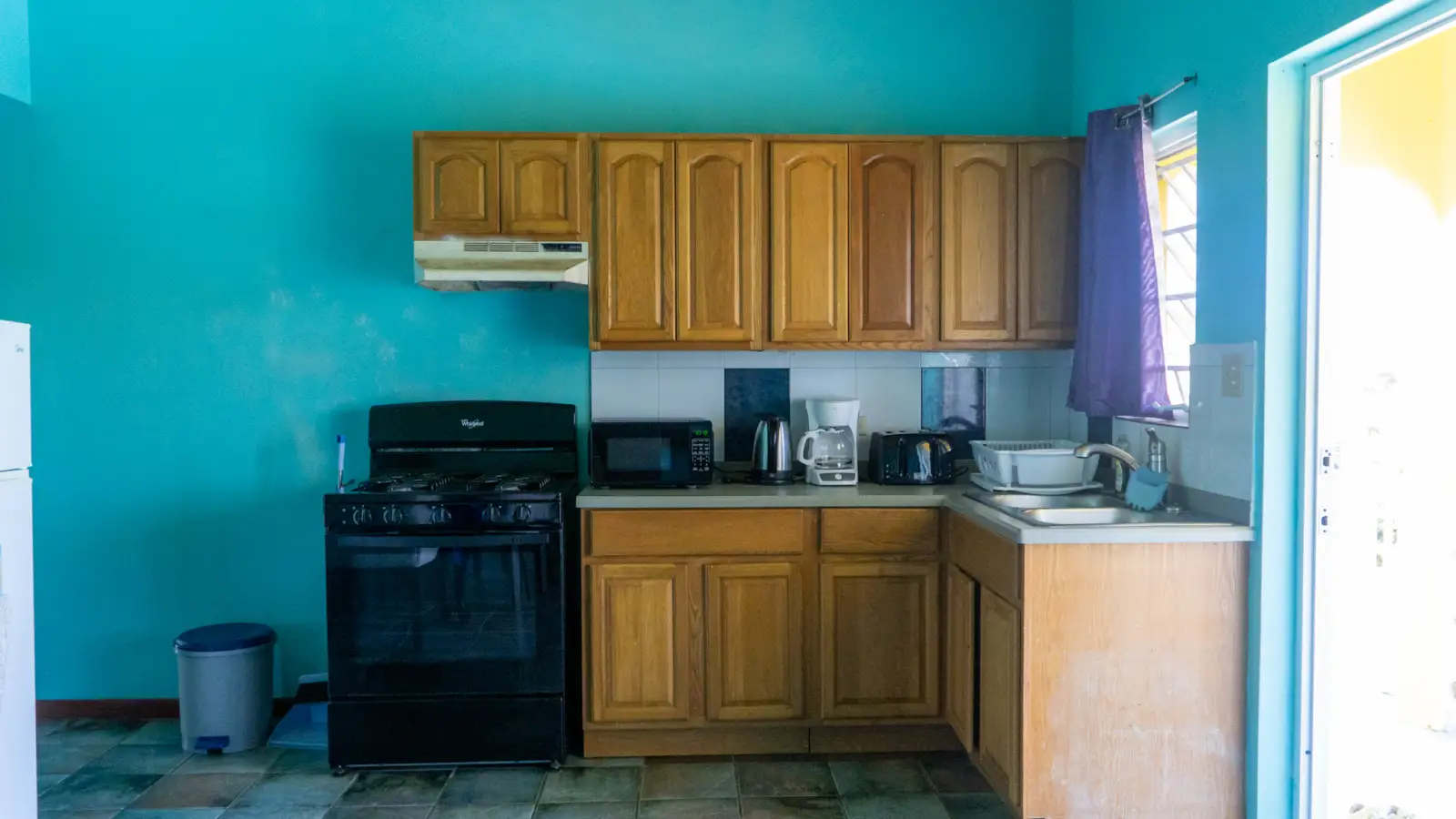
Food in Antigua is expensive. Most of what sits on a supermarket shelf here arrived by ship, and you pay for the journey. A basic weekly shop for two comes to about EC$207 (roughly US$77) on 2026 prices, and eating out every night can cost five to seven times that. Self catering is how you bring the cost of food in Antigua down, and this guide shows you exactly how.
I spent a week at LambLion Apartments in central Antigua in June 2026, cooking in my own kitchen and picking from the owners’ garden. So this is real budgeting, not a brochure. Below are average grocery prices next to restaurant prices, the shops worth driving to, a sample shop for two, and what a full week of self catering actually costs.
One honest note before the numbers. Prices move with the season, the shop and the exchange of goods coming in by sea. Treat every figure here as a guide, and check your own receipt.
Is food expensive in Antigua? Yes, because so much of it is imported
Food in Antigua and Barbuda is expensive compared with most of the US and the UK, because the islands import most of what they eat, and shipping, duties and cold storage are built into every price on the shelf. Crowd sourced prices on Numbeo, last updated on 8 October 2026, put a litre of milk at around EC$7 and a dozen eggs at around EC$20.
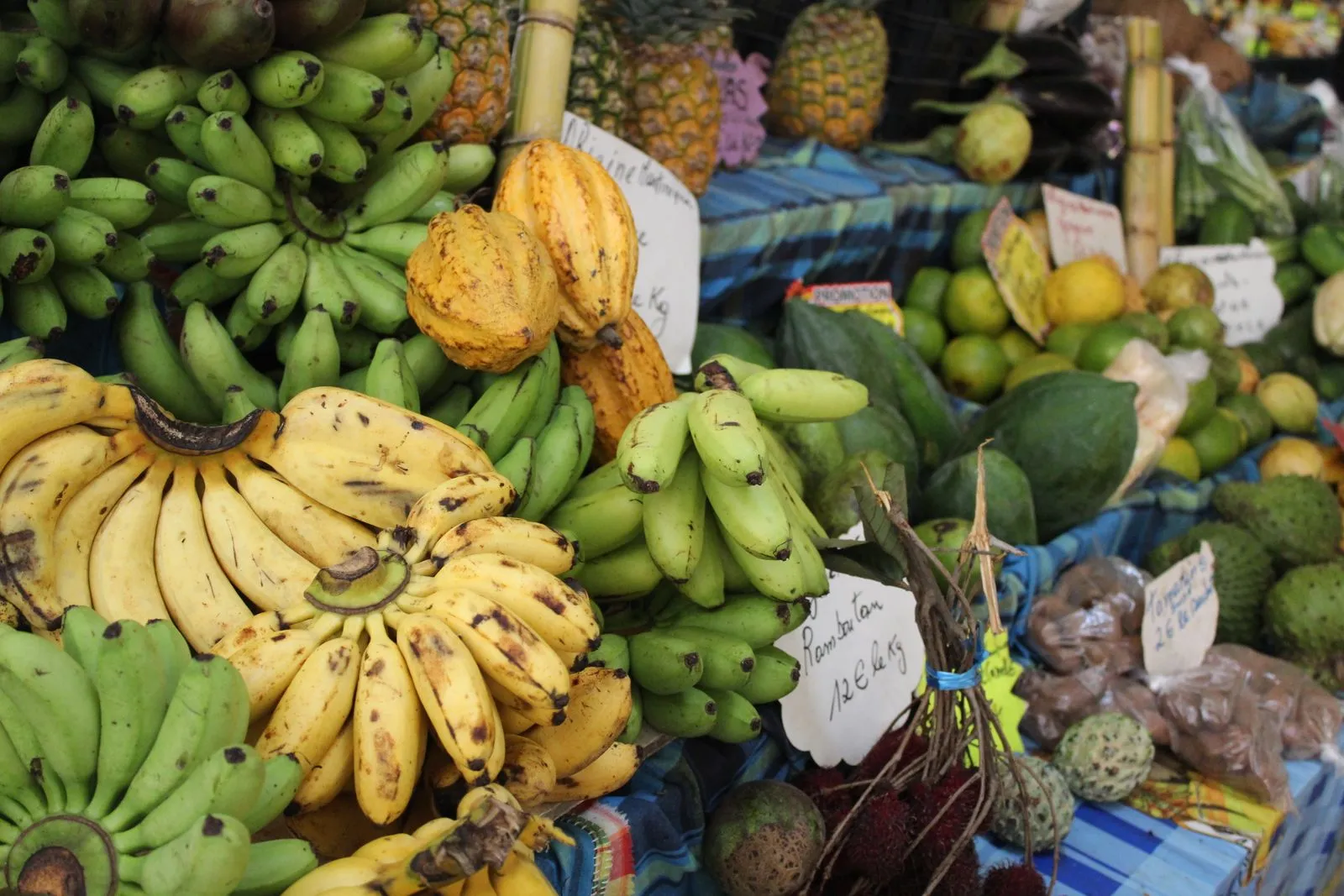
Imported is the key word. A bag of apples that crossed an ocean costs what it costs. A bunch of bananas grown down the road is a different story, and so is a mango in July.
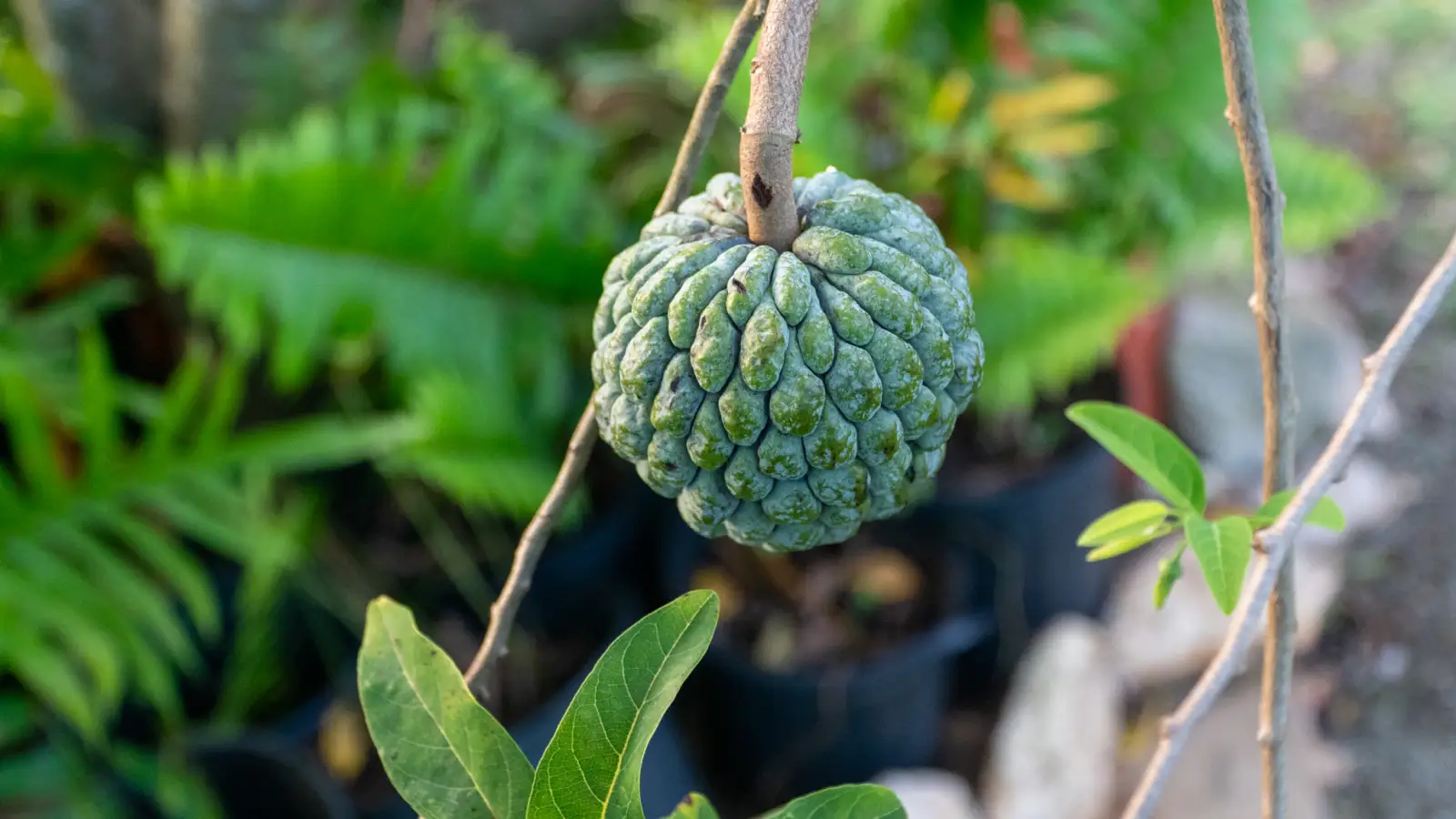
Mango season is the best example of how local food works here. Lionel Walker, who grows fruit at LambLion with his wife Lorilyn, put it to me plainly while we stood under one of his trees.
Remember if a mango plant could be five hundred mangoes. But it’s going to be that five hundred mangoes all at the same time.
Lionel Walker, owner of LambLion
Five hundred mangoes at once is why local fruit is cheap in season and the imported stuff is not. Eat what the island is giving that month and your food bill drops on its own.
How much is food in Antigua? These are average grocery prices for 2026
These are average supermarket prices in Antigua and Barbuda from Numbeo’s country data, updated 8 October 2026 and based on 80 price entries from seven contributors over the past twelve months. The Eastern Caribbean dollar is fixed at EC$2.70 to US$1, so I have converted each one and rounded it.
| Item | Average price (EC$) | About (US$) | Range recorded (EC$) |
|---|---|---|---|
| Milk, 1 litre | 7.00 | 2.60 | 5 to 10 |
| White bread, 500 g loaf | 7.50 | 2.80 | 6 to 8 |
| White rice, 1 kg | 10.67 | 3.95 | 4 to 15 |
| Eggs, 12 large | 20.40 | 7.55 | 14 to 21.60 |
| Bananas, 1 kg | 11.08 | 4.10 | 5 to 20 |
| Tomatoes, 1 kg | 17.35 | 6.45 | 11 to 22 |
| Potatoes, 1 kg | 9.78 | 3.60 | 6.60 to 15 |
| Onions, 1 kg | 6.44 | 2.40 | 5 to 7.70 |
| Lettuce, 1 head | 10.33 | 3.85 | 7 to 17 |
| Apples, 1 kg | 18.23 | 6.75 | 15 to 22 |
| Oranges, 1 kg | 30.86 | 11.45 | 8 to 55 |
| Bottled water, 1.5 litres | 4.50 | 1.65 | 3 to 5 |
Look at the ranges, not only the averages. Oranges were recorded anywhere from EC$8 to EC$55 a kilo. That gap is the difference between local fruit in season at a market stall and an imported bag in a chilled aisle.
Prices at the till are in Eastern Caribbean dollars
Supermarkets and market vendors in Antigua price in Eastern Caribbean dollars (EC$). The rate has been pegged at EC$2.70 to US$1 since 1976, so the maths stays the same all year. US dollars are widely taken, but your change usually comes in EC$ and a shop may round the rate, so paying by card or in EC$ is the cleanest way to shop.
These are the best supermarkets and grocery stores in Antigua for a self catering stay
The best grocery stores in Antigua for a self catering week are one large supermarket for the big shop, the public market in St John’s for fresh produce, and the small village shops for top ups. Use all three and you get the range, the freshness and the convenience.
Epicurean is the largest supermarket in Antigua
Epicurean, just off Friars Hill Road on the edge of St John’s, is the biggest supermarket on the island and the place most self catering guests do their first big shop. It also has a branch at Jolly Harbour on the west coast. Directory listings show it open seven days a week with long hours, but check before a late run. From LambLion it is roughly a 20 minute drive.
Go with a list. Big supermarkets in Antigua stock a lot of familiar imported brands at imported prices, and that is where a trolley gets expensive fast. Buy your staples there, and buy your fruit and vegetables somewhere else.
The St John’s Public Market is where the island’s own produce is sold
The Public Market on Market Street, at the south end of St John’s, is the largest fresh produce market in Antigua, and on Friday and Saturday mornings it spills out into the surrounding streets, as Lonely Planet notes. This is where farmers and vendors sell what is actually in season, from Antigua black pineapples to dasheen, christophene and bunches of fresh herbs.
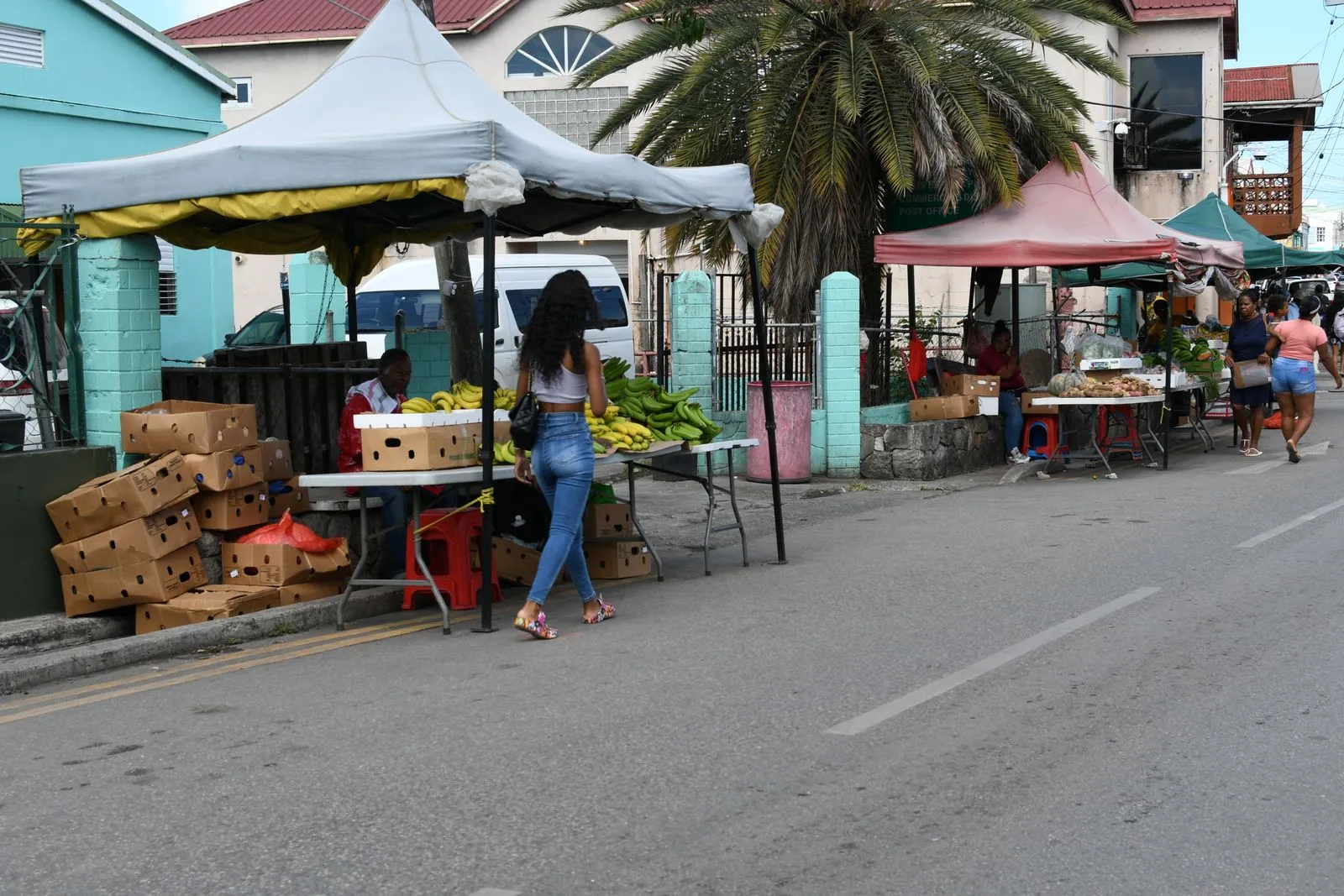
Go early, carry small notes, and ask before you photograph anyone’s stall. Prices are not always labelled, so ask two or three vendors before you buy. The money goes straight to the person who grew the food, and you will eat some of the best fruit of your trip.
If you want the full picture of the capital, my guide to staying near St John’s covers the market, the drive and the parking.
Village shops are for top ups, not the big shop
Every village in Antigua has a small shop for bread, water and the basics. They save you a drive when you run out of something, but imported goods can cost more in a small shop than in the big supermarkets, so keep them for top ups.
Is Antigua expensive to eat out? An inexpensive meal costs about EC$30 a person
Eating out in Antigua is expensive if you do it every night. Numbeo’s October 2026 averages put a meal at an inexpensive restaurant at about EC$30 (about US$11) a person, and a three course dinner for two at a mid range restaurant at about EC$200 (about US$74), before drinks. A cappuccino runs at around EC$12.
Now run that across a week. Seven simple dinners out for two comes to about EC$420, roughly US$156. Seven mid range dinners for two comes to about EC$1,400, roughly US$519, before a single drink, tip or taxi.
I am not telling you to never eat out. Eat local food, cooked by local people, a few times in your stay. A roti from a small shop. Fungee and pepperpot. A plate of ground provisions. That is part of knowing a place. Just do not let restaurants be your only kitchen.
Want your own kitchen and a garden to pick from? Check your dates, or message LambLion on WhatsApp for a fast reply.
A weekly food shop for two in Antigua costs about EC$207 before the extras
A simple, mostly plant based weekly grocery shop for two people in Antigua costs about EC$207, roughly US$77, using the same Numbeo averages. It is a base, not a menu. Add your own pantry items on top, beans, oil, spices and plant milk, and those depend entirely on what you cook.
| Item | Quantity | Cost (EC$) |
|---|---|---|
| White rice | 2 kg | 21.34 |
| Bread | 2 loaves | 15.00 |
| Bananas | 2 kg | 22.16 |
| Tomatoes | 1.5 kg | 26.03 |
| Potatoes | 2 kg | 19.56 |
| Onions | 1 kg | 6.44 |
| Lettuce | 2 heads | 20.66 |
| Apples | 1 kg | 18.23 |
| Oranges | 1 kg | 30.86 |
| Bottled water | 6 bottles of 1.5 litres | 27.00 |
| Total | about 207 (about US$77) |
Now look at that list again with a garden outside your door. At LambLion, bananas, herbs and greens can come off the trees and out of the beds when they are in season. That is where self catering in Antigua stops being a budget trick and turns into a better way to eat.
The LambLion garden takes items off your shopping list
LambLion Apartments has an organic garden of fruit trees, vegetables and herbs that guests are welcome to pick from responsibly, and Lionel and Lorilyn Walker grow it themselves. Standing by the spinach bed, I asked Lionel when it was last picked.
My wife picked some up to two weeks ago when she cooked pepper pot.
Lionel Walker, owner of LambLion
Pepperpot is the national dish of Antigua and Barbuda, a thick stew of greens and vegetables served with fungee, a cornmeal and okra side. In the Walker house the greens for it come out of the garden, not a plastic bag.
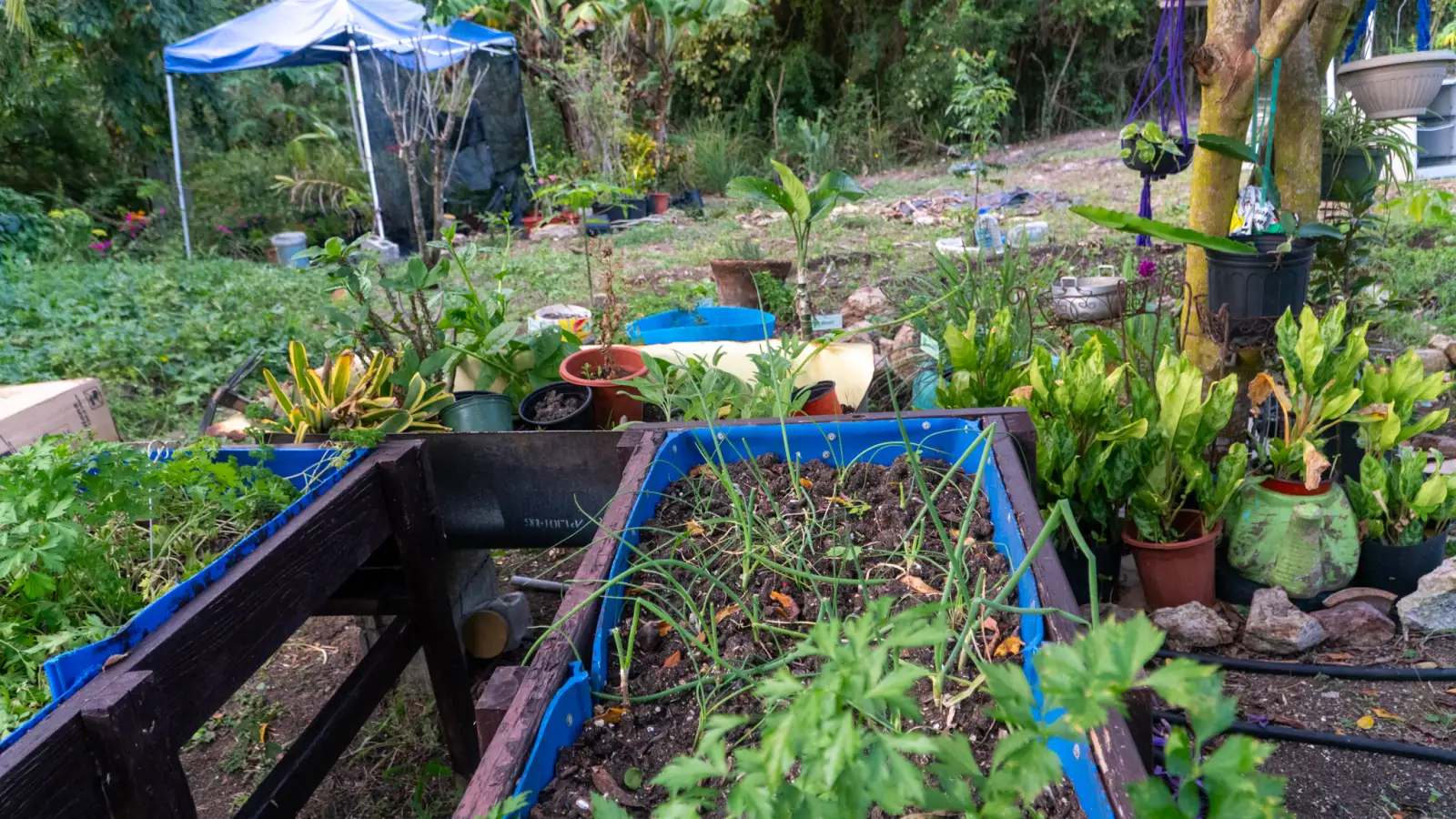
Then he showed me the pigeon peas.
So if you pick, if you pick this when you’re growing, it will put out more flowers. That’s what I observed.
Lionel Walker, owner of LambLion
I asked whether the ones left to dry on the bush could still be cooked.
We use beans from the supermarket just the same. Just that they’ll take a longer time to cook. And what my parents used to do with peas, if they’re dry, you soak them.
Lionel Walker, owner of LambLion
Pigeon peas are a Caribbean staple, cooked into rice and peas and into soups. Fresh from the bush they cook fast. Dried, you soak them overnight, exactly like a bag of supermarket beans, except these cost you nothing and travelled about thirty metres.
Even the pineapples in the beds started in a kitchen.
I got those from the top of the pineapple. So I basically cut the top off of pineapple when you buy it. So similar to this is the pineapple here, right. So this one will soon be ready.
Lionel Walker, owner of LambLion
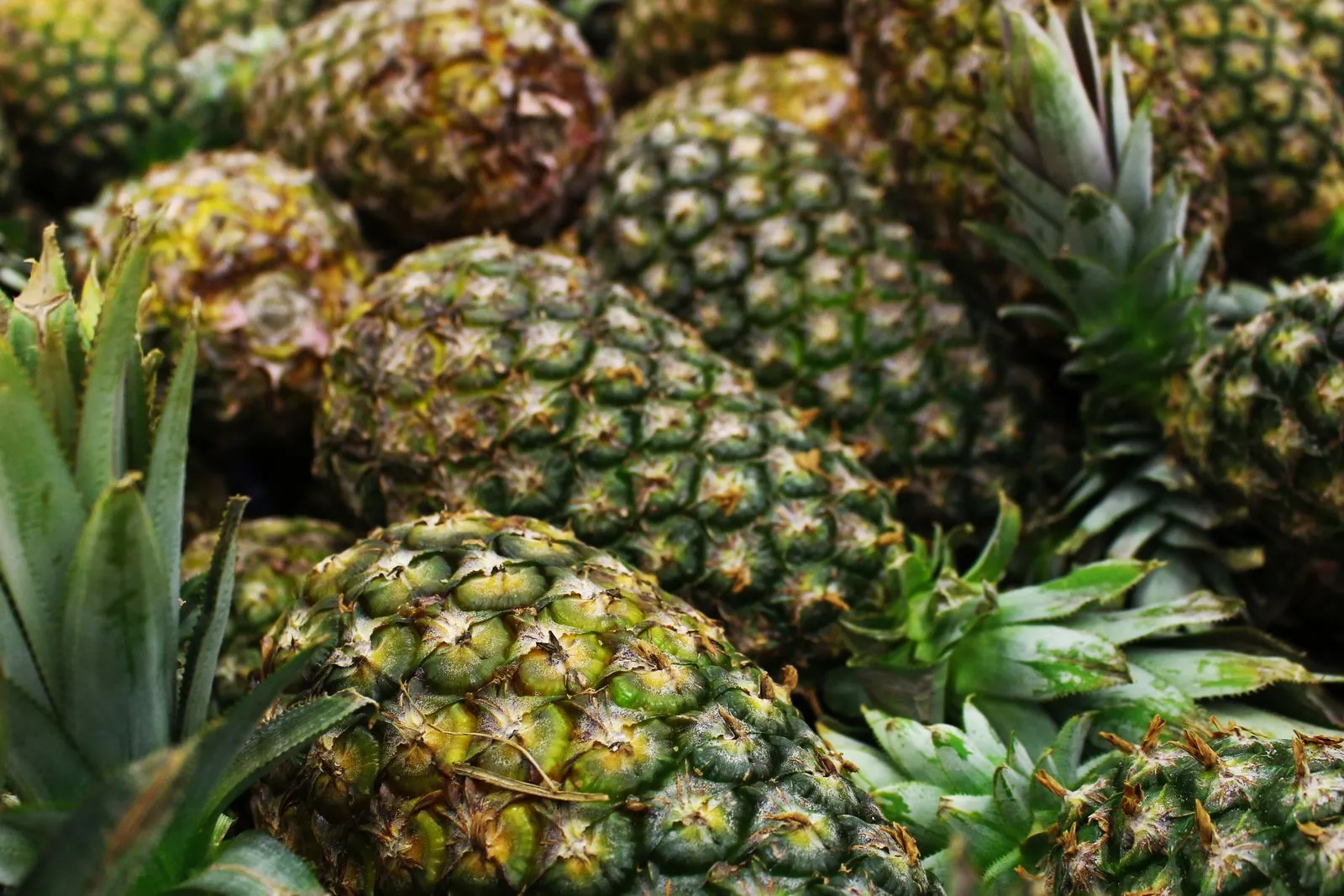
What is ready depends on the month, so ask Lionel or Lorilyn what you can pick when you arrive. I wrote up everything I gathered that week in my LambLion fruit, vegetable and herb harvest, and the story of the family behind LambLion explains why the garden exists at all.
How much does it cost to self cater in Antigua for a week?
A week of self catering for two in Antigua costs roughly US$780 at LambLion on published starting prices, before taxes, pantry items and a hire car. This is how that number adds up.
- The apartment. LambLion apartments start at US$110 a night on the apartments page (checked October 2026). Seven nights is US$770, and booking two nights or more directly takes 15% off, so about US$655.
- Groceries. The basic shop above, about US$77.
- Two simple dinners out for two. At about EC$30 a person, roughly US$44 for both.
Rates change with the season and the apartment size, so check your dates or ask on WhatsApp, and ask for the price with taxes included. For the side by side with a resort, read my comparison of self catering vs all inclusive in Antigua.
Staying longer than a week? A medium term stay spreads the first big shop across more days, and my guide to spending one month in Antigua covers the monthly budget.
These habits keep your food bill low in Antigua
- Do one big shop at a large supermarket on your first day, then top up fresh produce at the market.
- Buy what is in season. Local fruit at the market is the best value on the island, and it has not crossed an ocean.
- Cook breakfast and lunch at home, and save eating out for the meals you will remember.
- Carry your own bags and a cool bag for the drive in the heat.
- Ask Lionel and Lorilyn where they shop. Local knowledge saves more money than any coupon.
- Book direct. Two nights or more on the LambLion self catering apartments gets you 15% off the nightly rate.
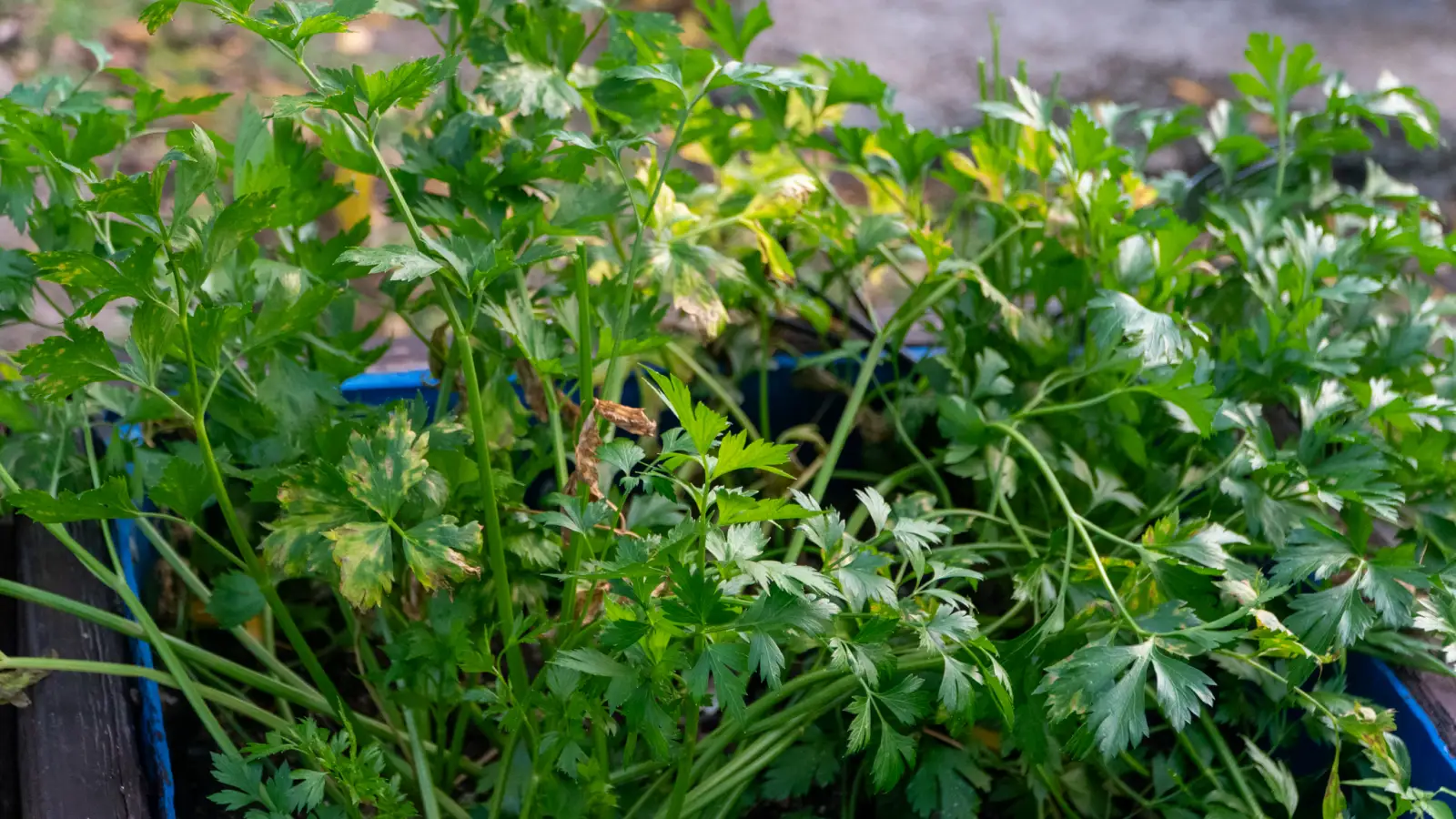
There is a footprint side to this too. Every imported tomato carries its fuel bill with it. LambLion is Green Globe certified, runs on solar power and harvested rainwater, and turns its kitchen waste into compost for the beds. Cooking from that garden is the lowest cost and the lowest impact meal you will eat in Antigua.
And if you want to see where else on the island suits a cook, my guide to staying in Antigua without a resort covers the areas, and my Hold The Throne review of LambLion covers the eco detail.
Food is the biggest cost after your room, and the biggest choice you make on this island. Imported and marked up, or local, in season and picked with your own hands. In Antigua, the cheaper option is also the better one.
Cook your own Antigua at LambLion
Eleven self catering apartments with full kitchens and an organic garden in central Antigua. Book two nights or more directly and get 15% off the nightly rate.